
Understanding the Connection Between Movement, Sensory Processing, and Behavioral Regulation
Every parent and educator knows the challenge: a classroom full of restless children struggling to focus, or a child who seems overwhelmed by everyday sensations. What if the solution lay not in stricter discipline or more medication, but in understanding how our bodies process sensory information? Emerging research reveals a powerful connection between sensory input and self-regulation—the ability to manage emotions, attention, and behavior effectively.
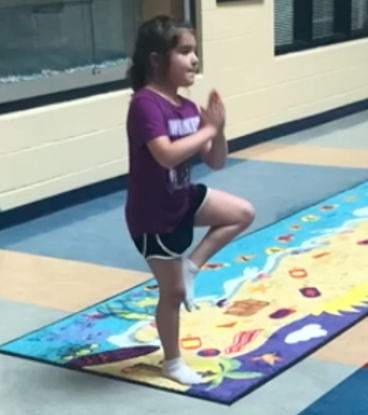
Sensory paths, also known as sensory movement pathways, have emerged as an innovative tool in schools and therapeutic settings. These visual pathways guide children through physical exercises that stimulate multiple sensory systems simultaneously. But beyond the colorful hallway decals and playful movements lies a foundation of neuroscience that explains why sensory input is fundamental to helping children—and adults—stay calm, focused, and ready to learn. Sensory input helps build self-regulation skills.
What Is Self-Regulation and Why Does It Matter?
Self-regulation is the ability to adjust one’s arousal level to match environmental demands. Throughout the day, our brains constantly work to maintain an optimal state of alertness—not too drowsy, not too wired.
Self-regulation develops gradually in children, beginning in infancy through co-regulation with caregivers and eventually progressing to independent self-management strategies. Children who effectively self-regulate can transition smoothly between activities, focus on learning tasks, manage frustration, and interact positively with peers. When self-regulation falters, we may see emotional outbursts, difficulty concentrating, withdrawal, or impulsive behavior.
Research indicates that sensory processing and self-regulation are interconnected, forming the neurophysiological foundation for how children manage their responses to daily sensory events. Understanding this relationship is essential for supporting children’s development and learning.
The Sensory Systems That Support Self-Regulation
While most people are familiar with the five traditional senses, three lesser-known sensory systems play crucial roles in self-regulation:
1. The Vestibular System: Your Internal GPS
The vestibular system, located in the inner ear, provides information about head position, movement, and spatial orientation. It acts as the body’s “balance sense” and serves as the foundation for coordinating all other sensory systems. The vestibular system helps regulate whether sensory input feels calming or alerting, making it crucial for maintaining focus and responding appropriately to the environment.
Interestingly, the vestibular system can be thought of as the body’s “volume control button.” Quick, up-and-down or spinning movements tend to increase arousal and alertness, while slow, rhythmic rocking motions promote calmness. A recent study found that just 15 minutes of vestibular activities can have effects lasting 6-8 hours on brain function and behavior.
2. The Proprioceptive System: Body Awareness
Proprioception refers to sensory input from muscles, joints, and ligaments that tells us where our body is in space without looking. This system enables us to gauge how much force to use when writing, walking, or moving objects. Proprioceptive activities—such as pushing, pulling, carrying heavy objects, or jumping—provide “heavy work” that is inherently organizing and calming to the nervous system.
According to occupational therapy research, proprioception is essential not just for motor skills but also plays a significant role in emotional regulation. Children with poor proprioceptive awareness may seek intense sensory input through crashing, jumping, or rough play as their bodies attempt to gain information about their position in space.
3. The Tactile System: Touch and Emotional Connection
The tactile system processes information from receptors on our skin, helping us understand pressure, texture, temperature, and pain. This system is directly connected to the emotional center of the brain, which explains why certain textures can feel pleasurable while others are uncomfortable or even distressing. Tactile sensations significantly influence a child’s willingness to participate in activities and their overall comfort level in different environments.
How Sensory Processing Affects Self-Regulation
When the central nervous system effectively processes sensory information, it creates a stable foundation for self-regulation. However, when sensory processing is atypical—either over-responsive, under-responsive, or seeking excessive input—self-regulation becomes significantly more difficult. Pioneer occupational therapist Jean Ayres identified that successful sensory integration underpins emotional stability, attention span, and activity levels—all key components of self-regulation.
Consider a child who is over-responsive to sensory input. Research shows that sensory over-responsivity and anxiety frequently occur together. For these children, everyday sounds, textures, or movements can trigger their sympathetic nervous system (the fight-or-flight response), making it extremely difficult to remain calm and focused. What appears to be “misbehavior” may actually be a nervous system struggling to filter and manage incoming sensory information.
On the other hand, children who are under-responsive to sensory input may appear lethargic, unfocused, or constantly seeking movement. These children need more intense sensory experiences to reach an optimal arousal level, which is where movement-based interventions like sensory paths become particularly valuable.
Sensory Paths: Moving Beyond Theory to Practice
Sensory movement pathways are designed to engage multiple senses simultaneously through structured physical activities. Research shows that physical movement stimulates brain activity and enhances cognitive functions such as attention, memory, and problem-solving skills. These pathways provide short breaks from classroom activities that can significantly boost students’ ability to focus and retain information.
The benefits of sensory paths are multifaceted:
- Enhanced Motor Skills: Activities that challenge balance, coordination, and motor planning lead to improved body awareness and physical competence.
- Cognitive Development: Cross-lateral movements (activities engaging both sides of the body) support brain development by fostering connections between different brain regions.
- Sensory Integration: Engaging touch, balance, and proprioception simultaneously contributes to overall sensory development and improved information processing.
- Behavioral Regulation: Physical movement through sensory pathways helps children release pent-up energy and manage emotional stress, promoting a more conducive learning environment.
- Inclusive Design: Sensory pathways can be tailored to accommodate various sensory preferences and needs, making them valuable for students with different learning styles and abilities.
Special Populations: ADHD and Autism Spectrum Disorder
Sensory processing challenges are particularly prevalent in children with neurodevelopmental conditions. Studies indicate that approximately 40% of children with ADHD also have sensory processing differences, and sensory issues are now recognized as a core feature of autism spectrum disorder in the DSM-5 diagnostic criteria.
For these children, sensory-based interventions can be particularly transformative. A 2024 study examining children with ADHD found that sensory processing differences impact executive function and anxiety, ultimately influencing quality of life. Meanwhile, research on autism demonstrates that children with ASD commonly exhibit both sensory processing and self-regulation challenges, making interventions that address both areas simultaneously especially beneficial.
One notable 2025 randomized controlled trial found that vestibular and proprioceptive exercises effectively reduced hyperactivity and impulsivity in children with autism. The study concluded that these sensory-motor interventions help modulate arousal levels, enhance self-regulation, and reduce excessive motor activity—precisely the challenges many children with neurodevelopmental conditions face daily.
The Neuroscience: How Movement Changes the Brain
Understanding why sensory input improves self-regulation requires looking at what happens in the brain. Sensory information travels from the body to the spinal cord and then to multiple processing centers including the thalamus, cerebellum, and cerebral cortex. The brain doesn’t just receive this information passively—it actively integrates sensory data with motor commands to coordinate skilled movements and appropriate responses.
Research on sensory and motor integration shows that coordinated activity between sensory and motor systems enables the execution of skilled tasks and learning of new skills. This process occurs across several brain areas including the sensorimotor cortex, cerebellum, basal ganglia, and spinal cord. When we engage in movement activities, we’re not just exercising muscles—we’re building and strengthening neural pathways that support self-regulation.
The reticular activating system (RAS) in the brainstem plays a particularly important role. This network of neurons filters incoming sensory information, preventing sensory overload by screening out repetitive or weak stimuli. Movement and sensory input help the RAS maintain optimal arousal levels, keeping us alert but not overwhelmed. When the RAS functions well, we experience that “just right” state where learning and social interaction flow naturally.
Practical Applications: Creating a Sensory-Supportive Environment
The research makes clear that sensory input is not a luxury—it’s a neurological necessity for optimal functioning. So how can parents, educators, and therapists apply these insights?
In Schools
- Install sensory pathways in hallways for brief movement breaks between classes
- Provide scheduled sensory breaks throughout the day
- Incorporate movement into lessons through kinesthetic learning activities
- Create quiet, low-stimulation spaces for children who are feeling overwhelmed
At Home
- Establish daily routines that include “heavy work” activities (carrying groceries, pushing a laundry basket, etc.)
- Provide opportunities for vestibular input through swinging, spinning, or rolling activities
- Notice and respond to your child’s sensory needs rather than dismissing them as “misbehavior”
- Create a “sensory diet”—a personalized plan of activities that provide the sensory input your child needs throughout the day
For Therapists
- Assess individual sensory profiles to understand each child’s unique processing patterns
- Design interventions that combine vestibular and proprioceptive input for maximum regulatory benefit
- Monitor responses carefully, as sensory input can be powerful and potentially overwhelming
- Educate parents and teachers about the neuroscience behind sensory-based interventions
Conclusion: Movement as Medicine for the Nervous System
The evidence is compelling: sensory input, particularly through movement, is not just beneficial for self-regulation—it’s fundamental to how our nervous systems maintain optimal functioning. From the vestibular system’s role as the body’s “volume control” to proprioception’s grounding influence on emotional regulation, our sensory systems work together to create the foundation for learning, behavior, and social interaction.
Sensory paths represent a practical, research-backed approach to supporting children’s regulatory needs. By providing structured opportunities for movement and sensory input, these simple interventions can transform challenging behaviors, improve focus, and create more inclusive learning environments for all children—especially those with sensory processing differences.
As we continue to understand the intricate relationship between sensory processing and self-regulation, one thing becomes clear: honoring children’s sensory needs isn’t just about comfort—it’s about giving their nervous systems the input they require to thrive. Whether through a colorful pathway in a school hallway or a mindful approach to daily activities at home, we can all support the sensory foundations that make learning, growth, and connection possible.
Ready to bring the benefits of sensory paths to your school or facility? Explore our sensory path solutions and discover how we can help create supportive environments where every child can regulate, learn, and succeed.
References
1. Sensory Integration Education. (n.d.). What Is Self-Regulation? How Sensory Integration Can Help
2. National Center for Biotechnology Information. (2019). Psychometric Properties of Sensory Processing and Self-Regulation Checklist
3. Children’s Health Council. (2024). The Benefits of Sensory Movement Pathways for Children
4. NAPA Center. (2024). Understanding the Vestibular Sense and Vestibular Input
5. ScienceDirect. (2025). Effectiveness of vestibular and proprioceptive exercises in reducing hyperactivity in children with autism spectrum disorder: A randomized controlled trial
6. Fit & Fun Playscapes. (n.d.). Sensory Essentials: Vestibular/Tactile/Proprioceptive Senses
7. Cambridge University Press. (2024). Exploring self-regulation deficits in sensory over-responsivity disorder: A preschool comparative analysis
8. National Center for Biotechnology Information. (2011). Sensory Processing Problems in Children with ADHD, a Systematic Review
Learn More About 321 Sensory Paths
Discover how our sensory solutions can transform your space:
Created by a pediatric physical therapist, our sensory paths offer professional-grade therapeutic benefits in fun, engaging themes that children love. Meet our team or shop our products today!